FRAM – High North Research Center for Climate and Environment
Digital edition 2026
Research notes
Profile
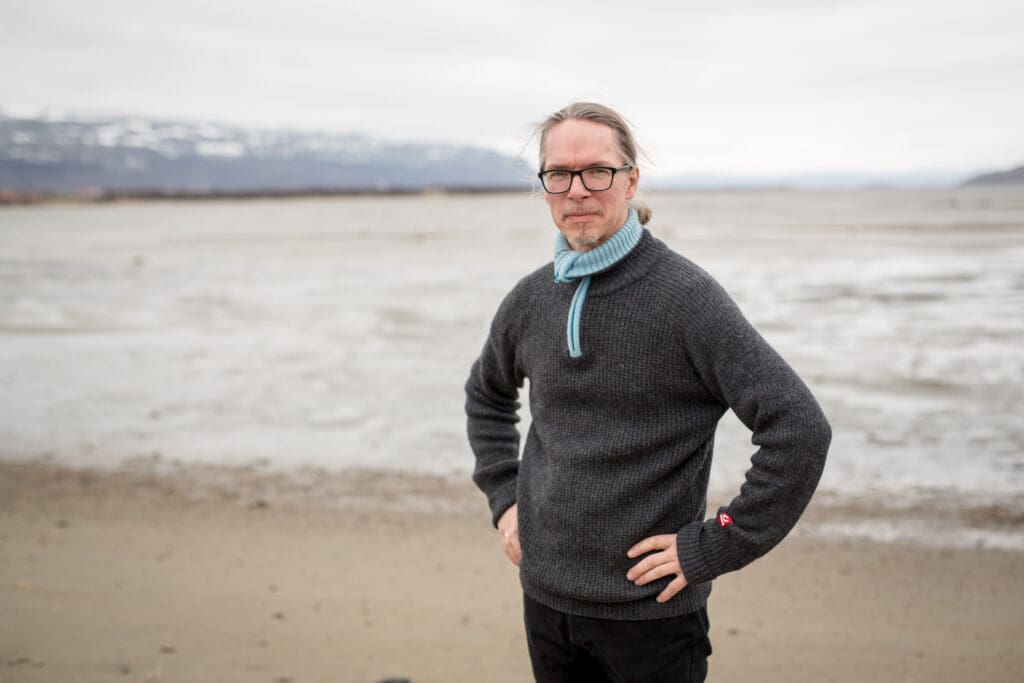
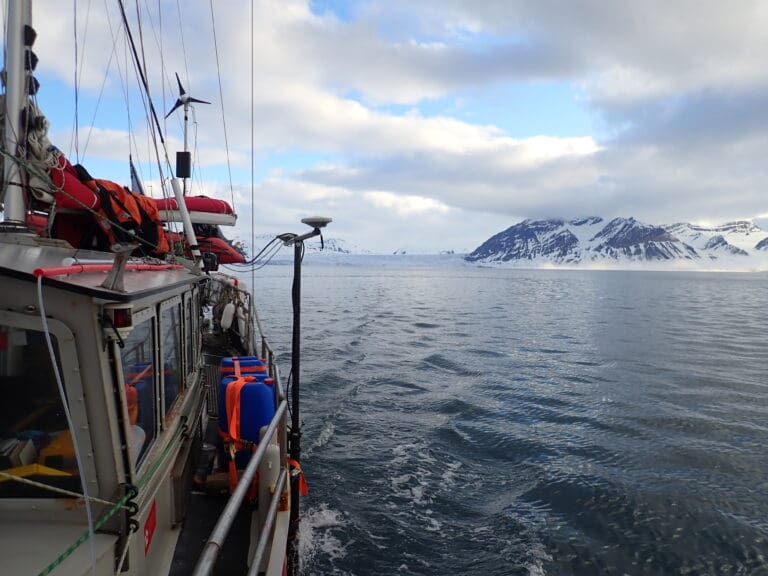
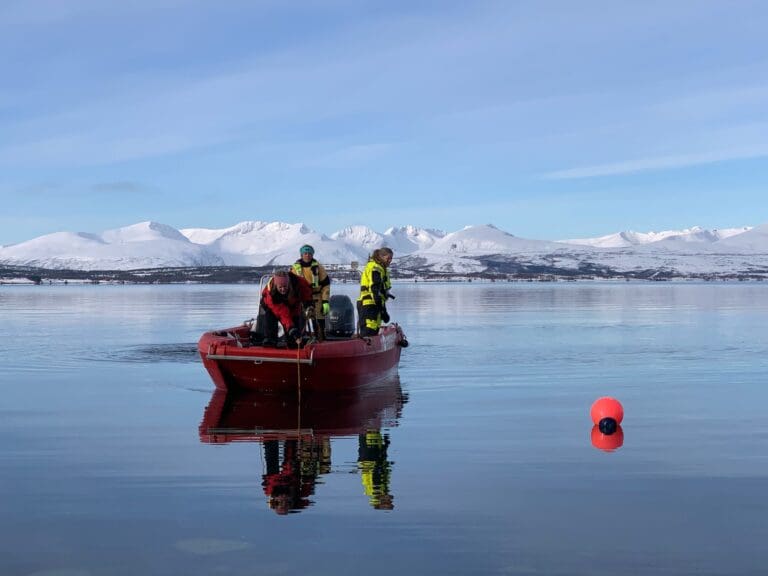
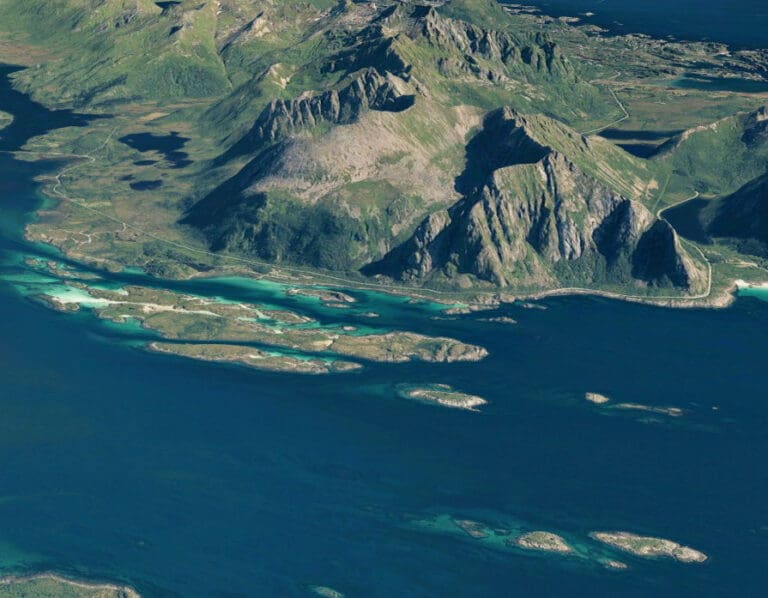
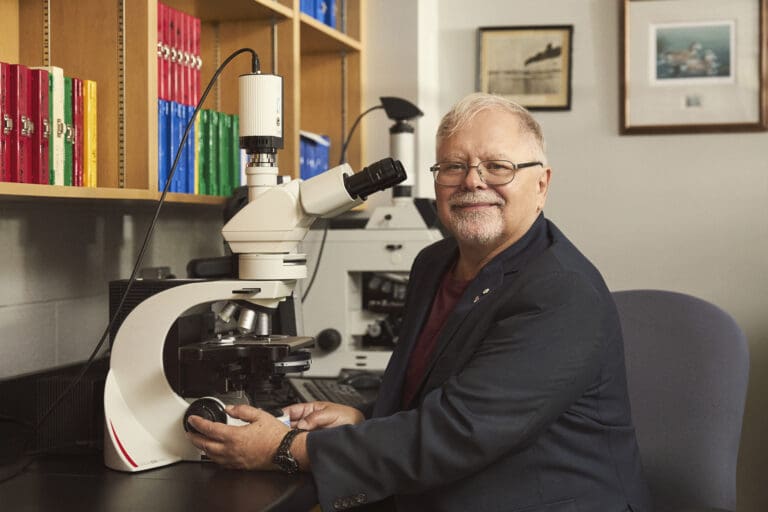
With the Porsanger Fjord as his office backdrop, the marine scientist Hans Kristian Strand conducts small experiments with major implications.
Science and Society
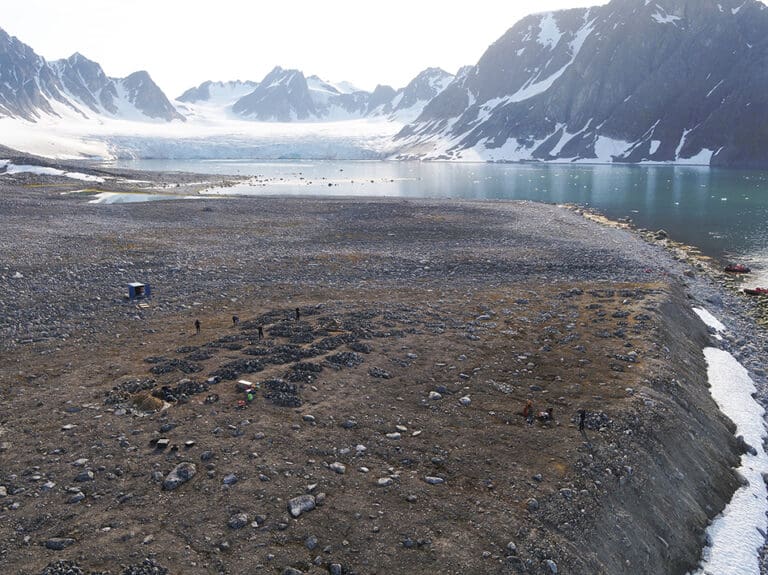
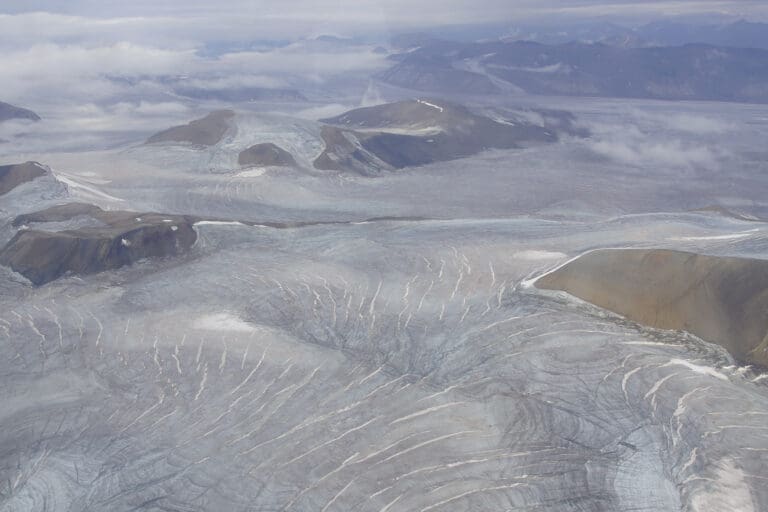
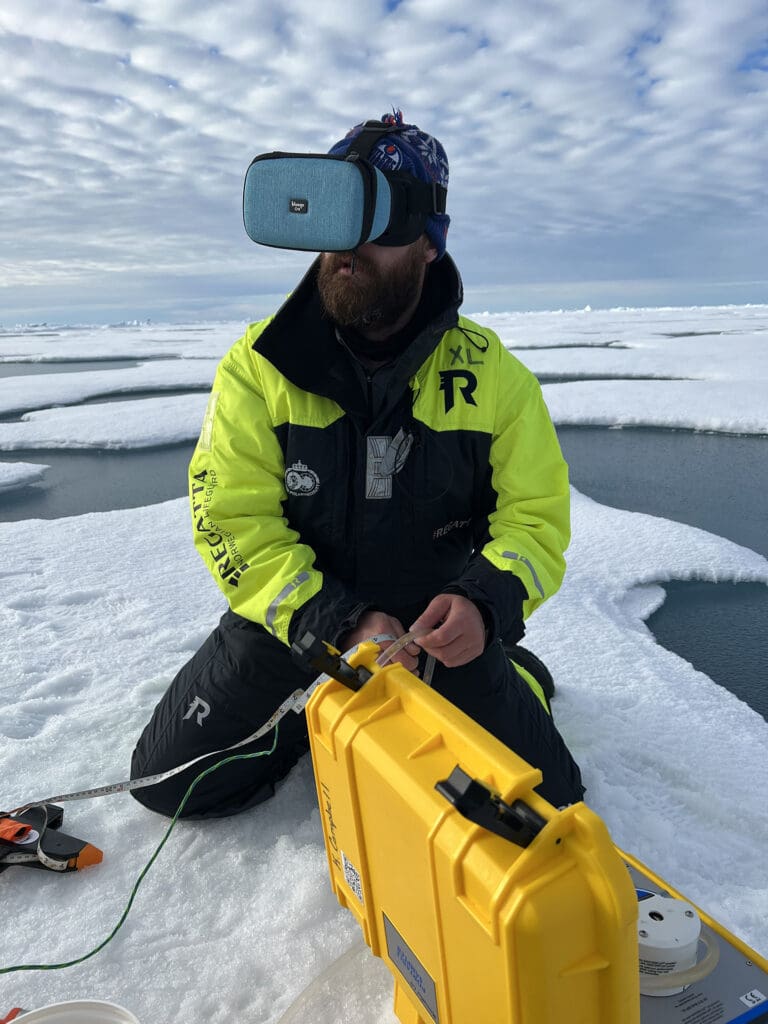
The summer of 2024, the hottest on record, pushed the limits of what we thought possible in the Arctic. In Svalbard, glaciers melted on an unprecedented scale: across the entire archipelago, around 1% of the total ice mass disappeared in a single season.
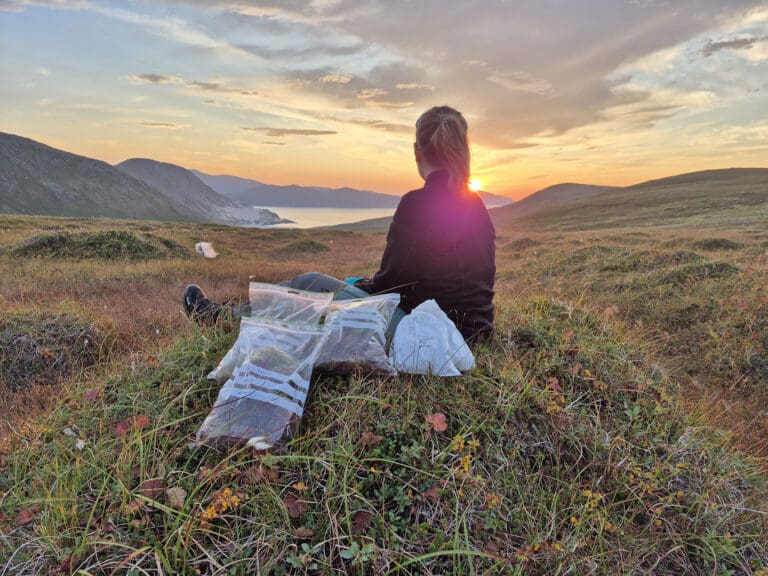
Did you know that stairstep moss can be used as a sampler for air pollution? Researchers at NILU have collected this kind of moss on several occasions and examined it for metals and other pollutants.
Retrospective
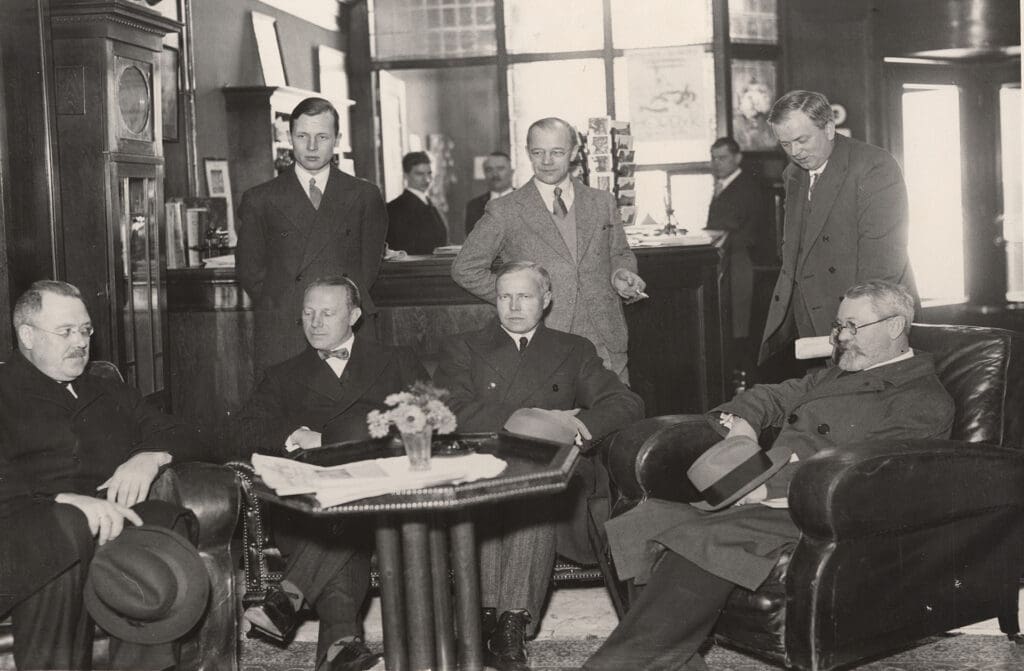
Donald Trump is not the first to set his sights on the vast ice island in the northwest Atlantic. Norway too has an imperialist legacy.
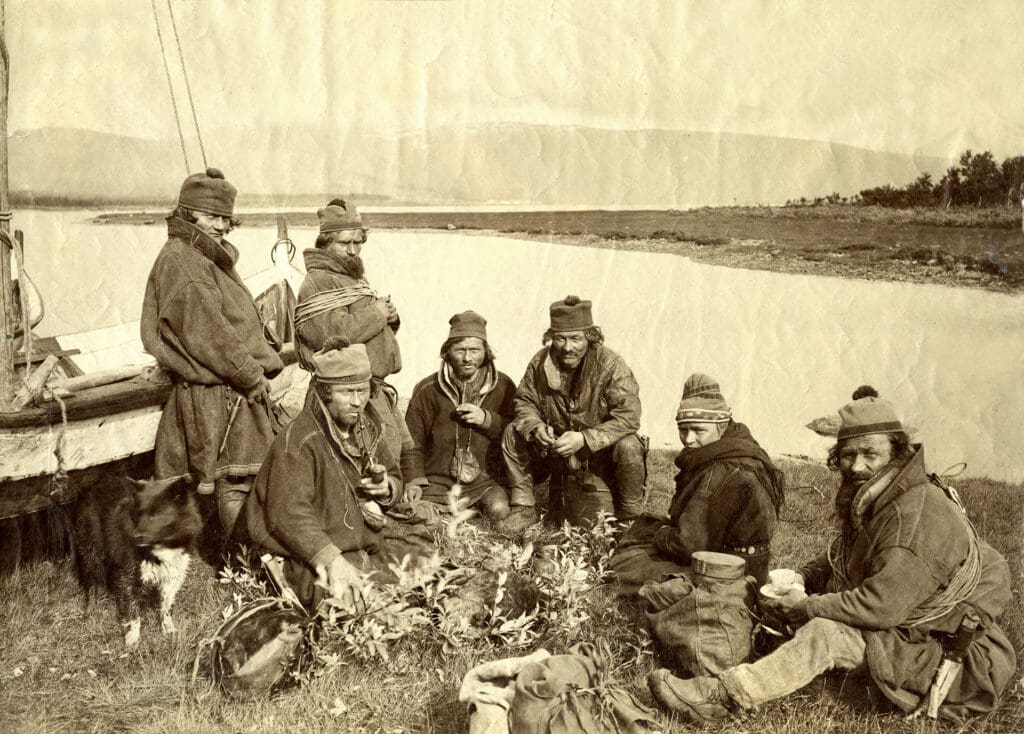
Vast open territories in the Arctic have been claimed and named as though they were blank white pieces of canvas. But the Indigenous place names that existed long before these new names were invented carry history, culture, and identity.
Editorial
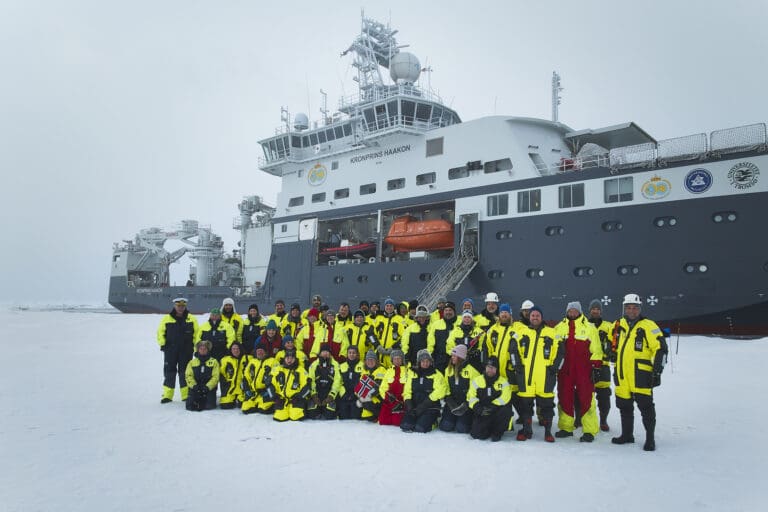
If the High North becomes a region of conflict and restrictions rather than cooperation and openness, it will be considerably more difficult to conduct research there. Clearly, we face a period of uncertainty and international volatility. But one thing is certain: the Fram Centre intends to remain a beacon for accessible, trustworthy science in the High North.
The Ministry of Climate and Environment has appointed Kari Nygaard as chairperson of the Fram Centre’s highest governing body, the Steering Committee of FRAM— High North Research Centre for Climate and the Environment. She takes over the role from Bo Andersen.